
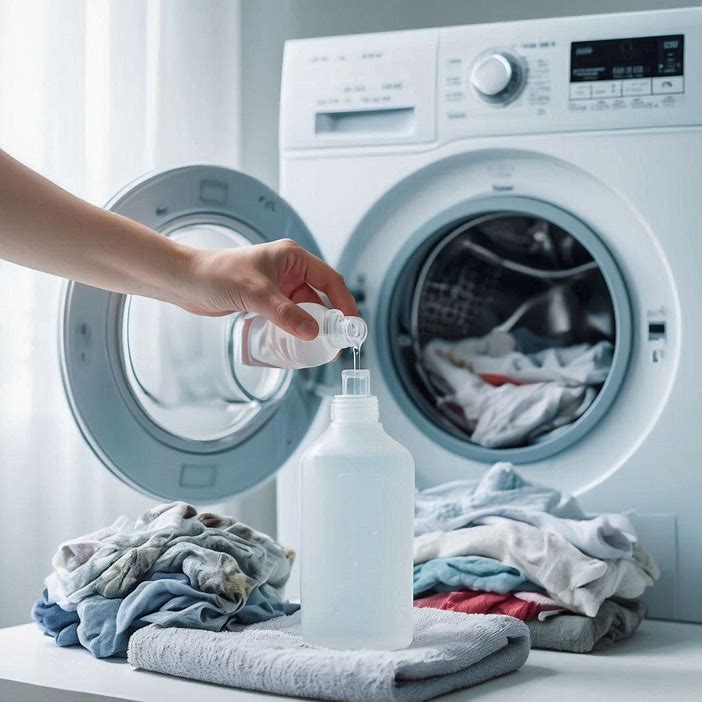
Laundry sanitizer has become increasingly popular as more people look for ways to eliminate bacteria, odors, and germs from clothing, towels, bedding, and other fabrics. But many people still wonder: is laundry sanitizer actually necessary, or is regular detergent enough?
The answer depends on your laundry habits, household needs, health concerns, and the types of items you wash regularly. In many everyday situations, standard laundry detergent cleans clothes perfectly well. However, laundry sanitizer can provide additional germ-killing benefits in certain cases where bacteria, odors, or contamination are more likely to remain in fabrics.
Understanding when laundry sanitizer is useful — and when it may not be needed — can help you avoid unnecessary products while still keeping your laundry fresh and hygienic.
What Is Laundry Sanitizer?
Laundry sanitizer is a fabric-safe additive designed to reduce or kill bacteria and certain germs on washable fabrics during the rinse cycle.
Unlike regular detergent, which mainly removes:
- Dirt
- Oils
- Sweat
- Stains
a sanitizer focuses on reducing microorganisms and odor-causing bacteria left behind after washing.
Most laundry sanitizers are:
- Bleach-free
- Designed for fabric use
- Safe for colors when used correctly
Many formulas work even in cold water.
How Laundry Sanitizer Differs From Detergent
A common misconception is that detergent and sanitizer do the same thing.
They actually serve different purposes.
Laundry Detergent
Detergent primarily:
- Cleans dirt and grime
- Removes oils
- Lifts stains
- Helps rinse away debris
Laundry Sanitizer
Sanitizer mainly:
- Reduces bacteria
- Targets odor-causing germs
- Helps sanitize fabrics
Sanitizer does not replace detergent.
Is Laundry Sanitizer Really Necessary?
For many households, laundry sanitizer is optional rather than essential.
Regular detergent combined with proper washing and drying often provides sufficient cleaning for everyday clothing.
However, there are situations where sanitizer may be especially helpful.
When Laundry Sanitizer May Be Useful
Gym Clothes and Activewear
Sweaty athletic clothing often traps:
- Body oils
- Sweat bacteria
- Persistent odors
Synthetic fabrics sometimes hold smells even after washing.
Laundry sanitizer can help reduce lingering odor-causing bacteria.
Towels
Towels stay damp for long periods and may develop:
- Musty odors
- Mildew smells
- Bacterial buildup
Sanitizer may help restore freshness.
Bedding
Sheets and pillowcases collect:
- Sweat
- Skin oils
- Allergens
- Bacteria
Some people use sanitizer for extra cleanliness, especially during illness.
Baby Clothes and Cloth Diapers
Parents may use sanitizer for:
- Bibs
- Burp cloths
- Reusable diapers
- Baby bedding
especially if extra hygiene is desired.
Illness in the Household
If someone is sick with:
- Flu
- Cold
- Stomach virus
sanitizing laundry may help reduce germs on fabrics.
Pet Bedding and Blankets
Pet fabrics often collect:
- Odors
- Dirt
- Bacteria
Sanitizer can help improve freshness.
Shared Laundry Facilities
People using:
- Laundromats
- Shared apartment laundry rooms
- Dormitory machines
sometimes prefer sanitizer for added peace of mind.
Jobs With Heavy Exposure
People working in:
- Healthcare
- Food service
- Gyms
- Childcare
- Veterinary settings
may choose sanitizer for work uniforms.
When Laundry Sanitizer May Not Be Necessary
In many normal laundry situations, detergent alone works well.
Everyday Clothing
Typical daily clothing usually does not require sanitizing if:
- Washed properly
- Dried thoroughly
- Not heavily contaminated
Proper Hot Water Washing
Hot water combined with detergent already helps reduce many germs significantly.
Low-Risk Households
Healthy households without special hygiene concerns often do not need sanitizer for every load.
Lightly Worn Clothing
Clothes worn briefly or without heavy sweating generally do not need extra sanitizing products.
Does Regular Detergent Kill Germs?
Regular detergent removes many germs physically during washing.
Detergent works by:
- Loosening dirt
- Lifting oils
- Suspending debris in water
- Rinsing contaminants away
Hot water and drying also help reduce bacteria levels.
However, detergent is not always specifically designed to sanitize fabrics fully.
Hot Water vs Laundry Sanitizer
Hot water alone can help disinfect fabrics, but not all clothes tolerate high temperatures.
Benefits of Hot Water
- Helps kill germs
- Removes oils effectively
- Reduces dust mites
Limitations
- May shrink fabrics
- Can fade colors
- Damages delicate materials
Laundry sanitizer is often used when:
- Cold water washing is preferred
- Delicate fabrics cannot handle heat
Does Laundry Sanitizer Remove Odors Better?
Sometimes yes.
Odors caused by bacteria often linger in:
- Towels
- Gym clothes
- Synthetic fabrics
Sanitizer can help reduce the bacteria responsible for stubborn smells.
However, odors caused by:
- Mildew
- Detergent buildup
- Trapped moisture
may also require:
- Better drying
- Vinegar cleaning
- Washer maintenance
Potential Downsides of Laundry Sanitizer
Although useful in some cases, sanitizer is not always necessary.
Extra Cost
Using sanitizer regularly increases laundry expenses.
Additional Chemicals
Some people prefer minimizing:
- Fragrances
- Chemical additives
- Antibacterial products
especially for sensitive skin.
Overuse May Be Unnecessary
Sanitizing every load may provide little practical benefit for healthy households.
Does Laundry Sanitizer Replace Good Laundry Habits?
No.
Proper laundry habits remain more important than sanitizer itself.
Important Laundry Practices
Use the Right Amount of Detergent
Too much detergent can leave residue.
Dry Clothes Thoroughly
Damp fabrics encourage bacterial growth.
Clean the Washing Machine
Dirty washers can redeposit odors and grime.
Avoid Leaving Wet Laundry Sitting
Wet clothes trapped in the washer develop musty smells quickly.
Best Items To Use Laundry Sanitizer On
Sanitizer tends to be most useful for:
- Towels
- Activewear
- Socks
- Underwear
- Bedding
- Pet items
- Reusable cleaning cloths
- Shared laundry items
Items That Usually Don’t Need Sanitizer
Typically unnecessary for:
- Jeans
- Jackets
- Lightly worn clothes
- Decorative fabrics
- Dry-clean-only items
Is Laundry Sanitizer Safe for Most Fabrics?
Most products are designed for washable fabrics when used correctly.
However:
- Always check care labels
- Avoid non-washable materials
- Follow product instructions carefully
Some delicate fabrics may require gentler care.
Alternatives to Laundry Sanitizer
Some people prefer natural or lower-cost alternatives.
White Vinegar
White vinegar may help:
- Reduce odors
- Break down residue
- Freshen fabrics
It is commonly added during the rinse cycle.
Baking Soda
Baking soda helps:
- Neutralize odors
- Soften fabrics
- Improve freshness
Sunlight
Sunlight naturally helps reduce some bacteria and odors during air drying.
Hot Water Washing
When safe for the fabric, hot water alone may reduce germs significantly.
Common Misconceptions About Laundry Sanitizer
“Detergent Does Nothing Against Germs”
False. Detergent removes many contaminants during washing.
“Sanitizer Is Required for All Laundry”
False. Most daily laundry does not require sanitizing.
“More Sanitizer Means Cleaner Clothes”
Using excessive amounts may leave residue without improving effectiveness.
“Sanitizer Removes All Stains”
Sanitizer targets germs, not stains or heavy dirt.
How Often Should You Use Laundry Sanitizer?
This depends on your household needs.
Occasional Use
Suitable for:
- Gym clothes
- Towels
- Sick-day laundry
Regular Use
May benefit:
- Healthcare workers
- Households with illness
- Shared laundry situations
Most people do not need it for every load.
Frequently Asked Questions
Can I use laundry sanitizer with detergent?
Yes. Sanitizer is meant to be used alongside detergent, not instead of it.
Is sanitizer necessary if I wash in hot water?
Not always. Hot water already helps reduce germs significantly.
Does laundry sanitizer kill viruses?
Some products may help reduce certain viruses when used as directed, but effectiveness varies by product.
Can sanitizer help with musty towel smells?
Yes. It may reduce odor-causing bacteria in towels and fabrics.
Is laundry sanitizer safe for sensitive skin?
Some people may react to fragrances or additives. Fragrance-free options may be gentler.
Final Thoughts
Laundry sanitizer is not absolutely necessary for every household or every load of laundry. For most everyday clothing, regular detergent combined with proper washing and drying habits is usually enough to keep fabrics clean and fresh.
However, sanitizer can be helpful in situations involving strong odors, bacteria-prone fabrics, illness, gym clothes, towels, pet bedding, or shared laundry facilities. It offers an extra layer of hygiene, especially when washing in cold water or dealing with stubborn smells.
Ultimately, whether laundry sanitizer is necessary depends on your personal preferences, hygiene needs, and laundry habits. Used occasionally and appropriately, it can be a useful addition to your laundry routine without needing to become an everyday requirement.