
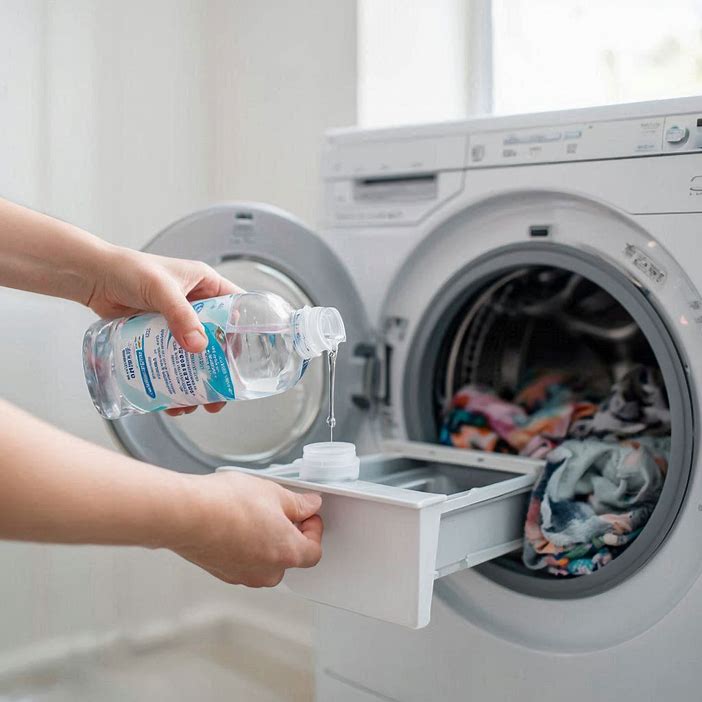
Lysol Laundry Sanitizer is a laundry additive designed to help kill bacteria and odor-causing germs on clothes, towels, bedding, and other washable fabrics. Unlike regular detergents, it is specifically formulated to sanitize fabrics during the rinse cycle.
Many people use it for:
- Gym clothes
- Towels
- Bedding
- Baby clothes
- Pet fabrics
- Work uniforms
- Laundry with strong odors
It is especially useful when washing in cold water because regular detergents may not fully eliminate bacteria at lower temperatures.
How Lysol Laundry Sanitizer Works
Laundry detergent mainly removes dirt and stains, while laundry sanitizer targets germs and bacteria left behind in fabrics.
The sanitizer works during the rinse cycle because detergent residue in the wash cycle can interfere with the sanitizing ingredients.
This is why it is important not to pour it directly together with detergent at the beginning of the wash.
Things You Need Before Starting
Before using the sanitizer, gather:
- Laundry detergent
- Lysol Laundry Sanitizer
- Washing machine or basin
- Measuring cap
- Dirty laundry
Always read the care label on your clothes first to ensure the fabric is washable.
Step-by-Step Guide To Using Lysol Laundry Sanitizer
Step 1: Sort Your Laundry
Separate laundry by:
- Colors
- Fabric type
- Soil level
Avoid mixing heavily soiled items with lightly worn clothes.
Also separate delicate fabrics from heavier materials like towels or jeans.
Step 2: Add Regular Laundry Detergent
Place your clothes into the washer and add detergent normally.
Use the correct amount of detergent based on:
- Load size
- Washer type
- Water hardness
Avoid using excessive detergent because it may leave residue on clothing.
Step 3: Measure the Laundry Sanitizer
Use the cap provided on the bottle.
General Amounts
Small Loads
Use about 2 capfuls.
Large Loads
Use around 3 capfuls.
Always follow the instructions on the product label for the specific formula you purchased.
Step 4: Add It During the Rinse Cycle
This is the most important step.
Do not pour the sanitizer directly into the main wash cycle with detergent.
For Washing Machines With a Fabric Softener Compartment
Pour the sanitizer into the fabric softener dispenser.
The washer will automatically release it during the rinse cycle.
For Machines Without a Dispenser
Wait until the rinse cycle begins, then pour the sanitizer directly into the water.
Step 5: Let the Laundry Finish Washing
Allow the full rinse cycle to complete.
The sanitizer needs enough contact time with fabrics to work properly.
Avoid interrupting the rinse cycle early.
Step 6: Dry Your Clothes Thoroughly
Dry items immediately after washing.
You can:
- Tumble dry
- Air dry
- Line dry
Proper drying helps prevent mildew and musty smells from returning.
How To Use Lysol Laundry Sanitizer in HE Washers
High-efficiency washers use less water, but the process is mostly the same.
HE Washer Instructions
- Add detergent normally.
- Pour sanitizer into the fabric softener tray.
- Use the recommended amount listed on the bottle.
- Run the cycle as usual.
Do not overload the machine because overcrowding reduces cleaning and sanitizing effectiveness.
How To Use It for Hand Washing
You can also sanitize clothes without a washing machine.
Hand Washing Instructions
Step 1: Wash Clothes Normally
Use detergent and clean the items first.
Step 2: Prepare Sanitizing Solution
Fill a basin or sink with water and add the recommended amount of sanitizer.
Step 3: Soak the Clothes
Leave fabrics submerged for the required contact time listed on the product label.
Step 4: Rinse and Dry
Rinse thoroughly and dry completely.
Best Laundry Items To Sanitize
Some fabrics benefit more from sanitizing than others.
Towels
Towels hold:
- Moisture
- Body oils
- Bacteria
Sanitizing helps remove stubborn odors and germs.
Gym Clothes
Sweaty activewear often develops persistent smells caused by bacteria trapped in fabric fibers.
Laundry sanitizer helps freshen these materials effectively.
Bedding
Sheets and pillowcases collect:
- Sweat
- Skin oils
- Allergens
Sanitizing bedding can help improve freshness.
Baby Clothes
Many parents use sanitizer on:
- Bibs
- Blankets
- Baby clothes
Always follow garment care labels carefully.
Pet Fabrics
Pet bedding and blankets may carry:
- Odors
- Germs
- Dirt
Sanitizer helps reduce lingering smells.
Does Lysol Laundry Sanitizer Replace Detergent?
No.
Laundry sanitizer is not a substitute for detergent.
Difference Between the Two
Detergent
Removes:
- Dirt
- Oils
- Stains
Sanitizer
Targets:
- Bacteria
- Odor-causing germs
For best results, use both together properly.
Can You Use It With Fabric Softener?
Generally, it is best not to mix sanitizer with fabric softener in the same dispenser unless the label specifically allows it.
If both products need the rinse cycle, they may interfere with each other.
Many people alternate between:
- Fabric softener
- Laundry sanitizer
depending on their needs.
Does It Work in Cold Water?
Yes.
One reason people use Lysol Laundry Sanitizer is because it helps sanitize fabrics even in cold water washes.
This can help:
- Save energy
- Protect delicate fabrics
- Reduce shrinking
Common Mistakes To Avoid
Adding It With Detergent
This is the most common mistake.
The sanitizer should enter during the rinse cycle, not the main wash cycle.
Using Too Much Product
More product does not necessarily improve sanitizing performance.
Excessive use may leave residue on fabrics.
Overloading the Washer
Crowded loads prevent:
- Proper water circulation
- Effective rinsing
- Full fabric contact
Ignoring Fabric Care Labels
Some delicate materials may require special care.
Always check labels before washing.
Leaving Wet Laundry Sitting
Wet clothes left inside the washer too long may develop mildew odors again.
Is Lysol Laundry Sanitizer Safe for All Fabrics?
It is generally safe for many washable fabrics when used as directed.
However, avoid using it on materials labeled:
- Dry clean only
- Non-washable fabrics
Test delicate fabrics carefully if unsure.
How Often Should You Use Laundry Sanitizer?
Usage depends on your household needs.
Occasional Use
For:
- Regular laundry
- Mild odors
- Seasonal sanitizing
Frequent Use
Helpful for:
- Gym clothes
- Sick household members
- Pet items
- Shared laundry
- Work uniforms
Many people use it weekly rather than with every single load.
Tips for Better Laundry Sanitizing Results
Use Warm Water When Possible
Although it works in cold water, warm water can improve overall cleaning performance.
Clean Your Washing Machine Regularly
A dirty washer can redeposit odors and bacteria onto clothes.
Run periodic cleaning cycles using:
- Washing machine cleaner
- Vinegar
- Hot water
Dry Fabrics Completely
Damp laundry encourages bacterial growth and musty odors.
Avoid leaving wet clothes piled up.
Store the Product Properly
Keep the sanitizer:
- Tightly sealed
- Away from heat
- Out of direct sunlight
- Away from children and pets
Frequently Asked Questions
Can I pour it directly on clothes?
It is best to dilute it in the rinse cycle rather than pouring directly onto fabrics.
Does it remove stains?
No. Laundry sanitizer is mainly designed to sanitize and reduce odors, not remove stains.
Can I use it on delicates?
Check care labels first. Some delicate fabrics may need gentler washing methods.
Does it bleach clothes?
Most formulas are designed to be bleach-free and safe for colors when used properly.
Can it help with musty smells?
Yes. It is commonly used to reduce odor-causing bacteria responsible for musty laundry smells.
Final Thoughts
Using Lysol Laundry Sanitizer is fairly simple once you understand the correct timing. The key step is adding it during the rinse cycle instead of with detergent during the wash cycle.
When used properly, it can help freshen fabrics, reduce odors, and sanitize laundry more effectively, especially for towels, gym clothes, bedding, and heavily used items.
By combining good laundry habits with proper drying and washer maintenance, you can keep clothes smelling cleaner and feeling fresher for much longer.