
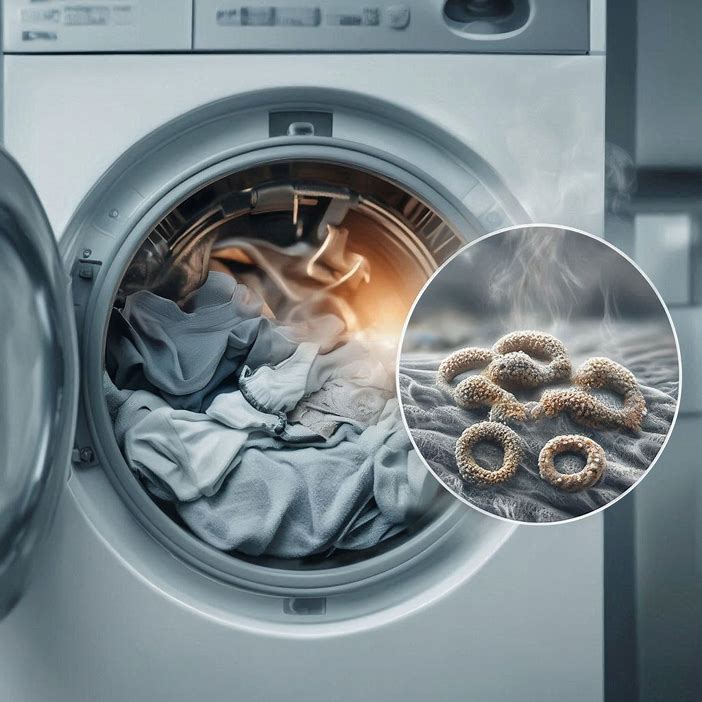
Ringworm is a highly contagious fungal infection caused by dermatophyte fungi that thrive on skin, hair, nails, clothing, towels, and fabrics. Because the infection spreads easily through contaminated laundry, many people wonder whether a clothes dryer can kill ringworm and fully sanitize infected fabrics.
The short answer is that heat from a dryer can help kill ringworm fungi, but the effectiveness depends heavily on the temperature, drying time, and whether the laundry was washed properly first. Simply tossing contaminated clothes into a cool or low-heat dryer may not eliminate all fungal spores completely.
Understanding how ringworm survives in laundry — and what actually kills it — is important for preventing reinfection and stopping the fungus from spreading to other people, pets, or surfaces. In this guide, you’ll learn whether dryers kill ringworm, the best laundry methods for disinfecting contaminated fabrics, and additional steps to remove fungal spores safely.
What Is Ringworm?
Ringworm is a fungal infection caused by dermatophytes, not actual worms.
The fungus feeds on keratin found in:
- Skin
- Hair
- Nails
It commonly appears as:
- Circular rashes
- Itchy patches
- Red or scaly skin
Ringworm can affect:
- Body skin
- Feet (athlete’s foot)
- Groin (jock itch)
- Scalp
- Nails
How Ringworm Spreads Through Laundry
Ringworm spreads very easily through contaminated fabrics.
Fungal spores can survive on:
- Clothing
- Bedding
- Towels
- Blankets
- Socks
- Hairbrushes
If these items are shared or improperly cleaned, the infection may spread to:
- Family members
- Roommates
- Pets
- Other parts of the body
Does the Dryer Kill Ringworm?
The answer is: sometimes, but not always by itself.
A dryer can help kill ringworm fungi if:
- The temperature is high enough
- Fabrics stay hot long enough
- Items are thoroughly dried
However, low-heat or quick-dry settings may not fully eliminate fungal spores.
Why Heat Matters
Dermatophyte fungi are sensitive to sustained high heat.
Hot dryer cycles help:
- Dehydrate fungal spores
- Damage fungal cells
- Reduce contamination on fabrics
But fungi can survive mild temperatures surprisingly well.
Is Washing More Important Than Drying?
Yes.
Washing contaminated laundry properly is usually more important than the dryer alone.
Detergent and water help:
- Remove fungal spores physically
- Flush contaminants away
- Reduce fungal load before drying
The dryer works best as an additional sanitizing step after washing.
Best Laundry Temperature To Kill Ringworm
Hot water is generally most effective for contaminated laundry.
Recommended Water Temperature
Ideally:
- At least 140°F (60°C) if fabric allows
Hot water helps kill fungi and remove spores more effectively than cold water.
However, some delicate fabrics cannot tolerate high heat safely.
Can Cold Water Kill Ringworm?
Cold water alone usually does not reliably kill ringworm fungi.
It may remove some spores physically during washing, but fungal survival is more likely.
If cold water must be used:
- Use antifungal laundry additives
- Use proper detergent
- Dry on high heat afterward
What Dryer Setting Is Best?
High heat is typically the most effective dryer setting for killing fungi.
Best Dryer Settings
- High heat
- Sanitizing cycle
- Long drying cycle
The goal is exposing fabrics to sustained heat long enough to reduce fungal survival.
Does Air Drying Kill Ringworm?
Air drying alone is usually less effective than machine drying.
Sunlight may help somewhat because UV exposure can reduce fungal growth, but relying only on air drying may not fully eliminate spores.
Best Way To Kill Ringworm in Laundry
The most effective approach combines:
- Proper washing
- Heat
- Thorough drying
Step 1: Handle Laundry Carefully
Avoid shaking contaminated items because fungal spores may spread through the air.
Recommended Practices
- Wear gloves if needed
- Keep infected laundry separate
- Wash hands afterward
Step 2: Wash in Hot Water
Use the hottest water safe for the fabric.
Add Proper Detergent
Regular detergent helps remove fungal spores physically.
Step 3: Use Laundry Sanitizer if Needed
Laundry sanitizers may help reduce fungi further, especially in cold-water washes.
These products are often used for:
- Towels
- Bedding
- Gym clothes
- Shared laundry
Step 4: Dry on High Heat
Use:
- High heat
- Full drying cycle
Avoid removing laundry while still damp.
Moisture encourages fungal survival.
Step 5: Clean the Washer and Dryer
Fungal spores may remain inside laundry appliances after contaminated loads.
Washer Cleaning
Run:
- Hot empty cycle
- Vinegar or washer cleaner
Dryer Cleaning
Wipe:
- Drum
- Lint trap area
Does Bleach Kill Ringworm in Laundry?
Yes.
Bleach is highly effective at killing fungal spores on bleach-safe fabrics.
Best For
- White towels
- White bedding
- Socks
- Cotton fabrics
Never use bleach on fabrics that may discolor or become damaged.
Does Vinegar Kill Ringworm in Laundry?
White vinegar may help reduce odors and some microbes, but it is not considered a reliable standalone antifungal treatment for ringworm.
Vinegar can be helpful as:
- A deodorizer
- A fabric rinse aid
- A mild cleaning booster
But it is less effective than:
- Hot water
- Bleach
- Antifungal products
- High dryer heat
Does Laundry Sanitizer Kill Ringworm?
Some laundry sanitizers may help reduce fungi and bacteria on fabrics.
Effectiveness depends on:
- Product ingredients
- Contact time
- Water temperature
Laundry sanitizer is especially useful for:
- Cold-water washing
- Delicate fabrics
- Odor-prone items
What Fabrics Need Extra Attention?
Ringworm spores cling especially well to:
- Towels
- Bedding
- Socks
- Athletic wear
- Hats
- Pillowcases
These items should be cleaned frequently during active infection.
How Often To Wash Bedding With Ringworm
During active infection:
- Wash sheets and pillowcases frequently
- Wash towels after each use
- Avoid reusing contaminated fabrics
This helps reduce reinfection risk.
Can Ringworm Survive on Dry Clothes?
Yes.
Fungal spores can survive on dry fabrics for extended periods under certain conditions.
This is why proper laundering is important even if clothes appear clean or dry.
Can Ringworm Spread Through Shared Washing Machines?
The risk is relatively low after proper washing, but contaminated items can leave spores behind if the washer is not cleaned regularly.
Using:
- Hot water
- Detergent
- Sanitizing cycles
reduces the risk significantly.
Preventing Ringworm Reinfection From Laundry
Laundry hygiene is an important part of recovery.
Wash Personal Items Separately
Keep infected laundry separate from:
- Family clothing
- Shared towels
- Bedding
Avoid Sharing Fabrics
Do not share:
- Towels
- Blankets
- Hairbrushes
- Hats
- Clothing
Dry Completely
Fungi thrive in damp environments.
Always dry fabrics fully before storing or reusing them.
Disinfect Frequently Touched Surfaces
Clean:
- Mattress covers
- Gym bags
- Floors
- Shower surfaces
- Hair tools
Treat the Infection Properly
Laundry alone cannot cure ringworm.
Use:
- Antifungal creams
- Prescription treatments if needed
to eliminate the infection from the skin itself.
Common Mistakes To Avoid
Using Only Cold Water
Cold water alone may not eliminate fungal spores effectively.
Skipping the Dryer
Damp laundry encourages fungal survival.
Reusing Towels
Reusing contaminated towels increases reinfection risk.
Stopping Treatment Too Early
Even if symptoms improve, fungal spores may remain active.
Overloading the Washer
Crowded loads reduce washing effectiveness.
Does Sunlight Kill Ringworm on Clothes?
Sunlight may help reduce fungal survival because UV rays can inhibit fungi.
However:
- Sunlight alone may not fully disinfect fabrics
- Thick fabrics may protect spores
Sun drying works best as an additional measure rather than the primary treatment.
Special Considerations for Delicate Fabrics
Some delicate materials cannot tolerate hot water or high dryer heat.
Alternatives
- Use antifungal laundry additives
- Wash longer cycles
- Air dry in direct sunlight afterward
- Use fabric-safe sanitizers

Frequently Asked Questions
Can a dryer alone kill ringworm?
Sometimes high heat may reduce fungal spores, but washing first is still very important.
Does low heat kill ringworm?
Low heat is less reliable because fungal spores tolerate mild temperatures better.
Is hot water necessary?
Hot water is one of the most effective ways to help kill fungi in laundry.
Can ringworm survive after washing?
Yes, especially if laundry is washed improperly or dried incompletely.
How long can ringworm live on fabric?
Fungal spores may survive on fabrics for extended periods under favorable conditions.
Final Thoughts
A clothes dryer can help kill ringworm fungi, especially when using high heat and full drying cycles, but it works best as part of a complete laundry-cleaning process rather than as the only solution. Proper washing with detergent, hot water when possible, and thorough drying are the most effective ways to reduce fungal spores in contaminated laundry.
Because ringworm spreads easily through fabrics, maintaining good laundry hygiene is essential during treatment. Washing towels, bedding, clothing, and other personal items frequently can help reduce reinfection and protect others in the household.
Combined with proper antifungal treatment for the skin itself, careful laundry practices play an important role in fully eliminating ringworm and preventing it from returning.